Kenyan middle-distance runner Esther Gitahi has been suspended from competition for four years after an international athletics tribunal found her guilty of doping with Erythropoietin (EPO).
The Athletics Integrity Unit (AIU) announced that the ban, which took effect on August 6, 2024, followed the athlete’s positive drug test and her failure to justify the substance’s presence in her system.
Gitahi’s urine sample, taken on April 13, 2024, during the Boston B.A.A. 5K event, tested positive for EPO, a banned performance-enhancing hormone that boosts red blood cell production and improves endurance. Laboratory results from the World Anti-Doping Agency (WADA)-accredited facility in South Jordan, Utah, confirmed the violation.
In its ruling, the tribunal chaired by Charles Hollander KC, with members Erika Riedl and Stefan Fabien, found that Gitahi intentionally sought the drug under false pretences.
The case, filed under SR/411/2024, detailed how the athlete misled medical staff in the United States to obtain EPO by falsely claiming to suffer from thalassemia, a blood disorder.
According to the panel, Gitahi presented fabricated medical history and requested EPO injections at the American Family Centre (AFC) in Alabama, alleging she had been treated for thalassemia in Kenya—claims later proven false.
Expert testimony from haematologist Giuseppe D’Onofrio established that her blood results did not indicate the disorder and that EPO would have been “an unnecessary and potentially harmful medication.”
“The Athlete asked the AFC to prescribe her EPO, based on providing false information as to her medical history and treatment in Kenya,” the tribunal stated. “The Panel rejects the Athlete’s version to the contrary and is very surprised that the AFC agreed to prescribe it.”
Gitahi, a former University of Alabama student-athlete with a master’s degree in public health, told the panel she believed she was receiving treatment for a legitimate condition.
However, the tribunal concluded that she had deliberately obtained and used the drug to improve her performance, injecting herself eight times over ten months.
Under the World Athletics Anti-Doping Rules, the presence and use of a prohibited substance is a violation regardless of intent. The tribunal ruled that Gitahi had failed to prove she lacked intent and had “manifestly disregarded” the risk of breaking the rules.
Her results from July 2023 to August 2024 were annulled, with all titles, medals, and prize money forfeited. The panel did not impose a financial penalty, citing her difficult economic situation—Gitahi currently works as a food delivery rider in Alabama while trying to return to school.
Gitahi’s suspension adds to Kenya’s growing list of doping cases, which have drawn global concern and scrutiny from the Athletics Integrity Unit and World Athletics. Over 60 Kenyan athletes have been sanctioned since 2023 for using prohibited substances including EPO, anabolic steroids, and testosterone-based drugs.
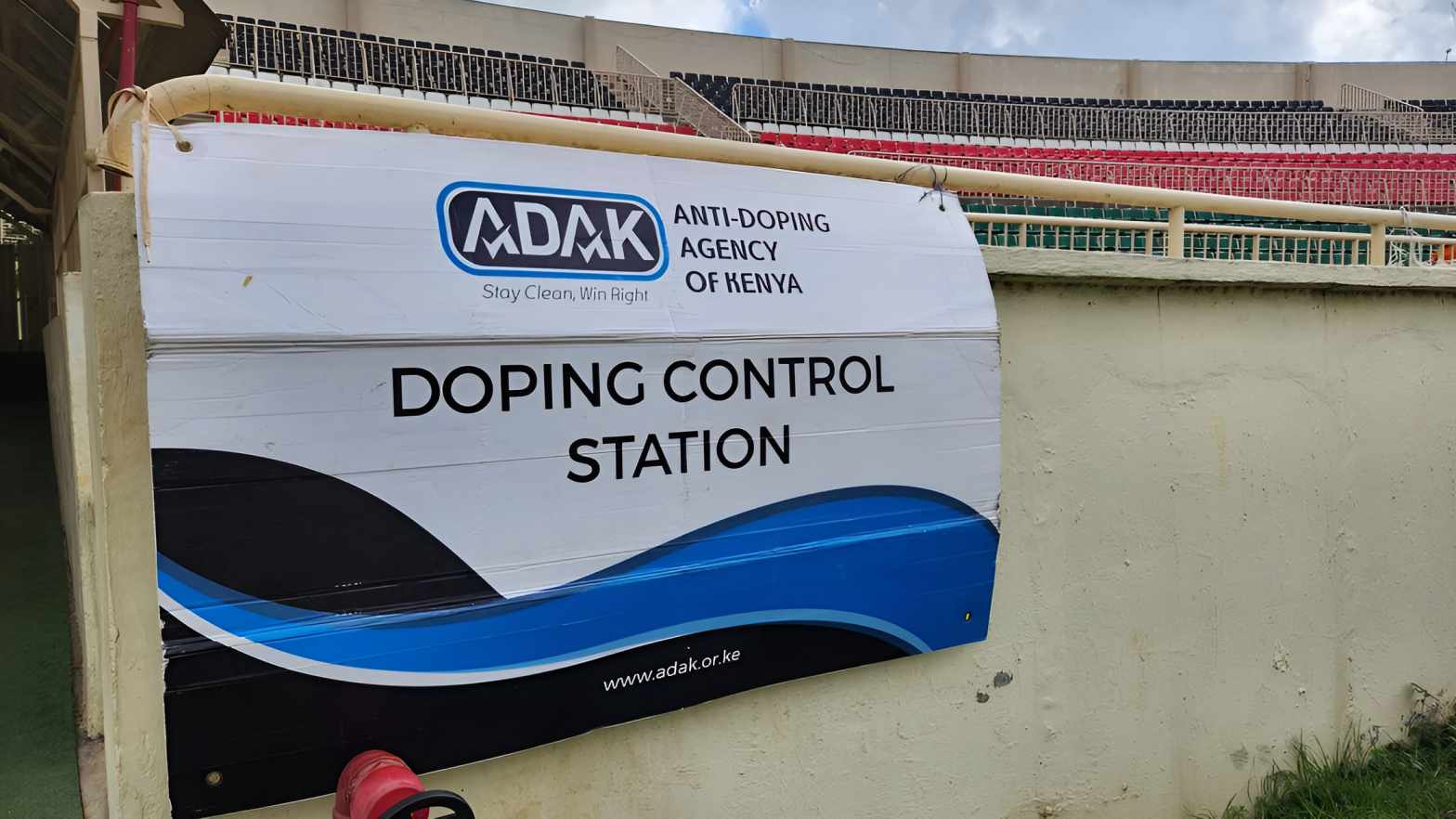
The Anti-Doping Agency of Kenya (ADAK) has been urged to intensify athlete education and testing programs to curb the crisis tarnishing Kenya’s athletics reputation.
EPO abuse, once common among endurance athletes, remains one of the most serious violations under WADA’s global anti-doping code due to its life-threatening risks and performance benefits.
World Athletics reaffirmed that the sport’s integrity depends on strict enforcement, independent tribunals, and a zero-tolerance stance toward doping.































Comments
Sign in with Google to comment, reply, and like comments.
Continue with Google